

Why Your Hydraulic System Keeps Failing-5 Common Mistakes and How to Fix Them

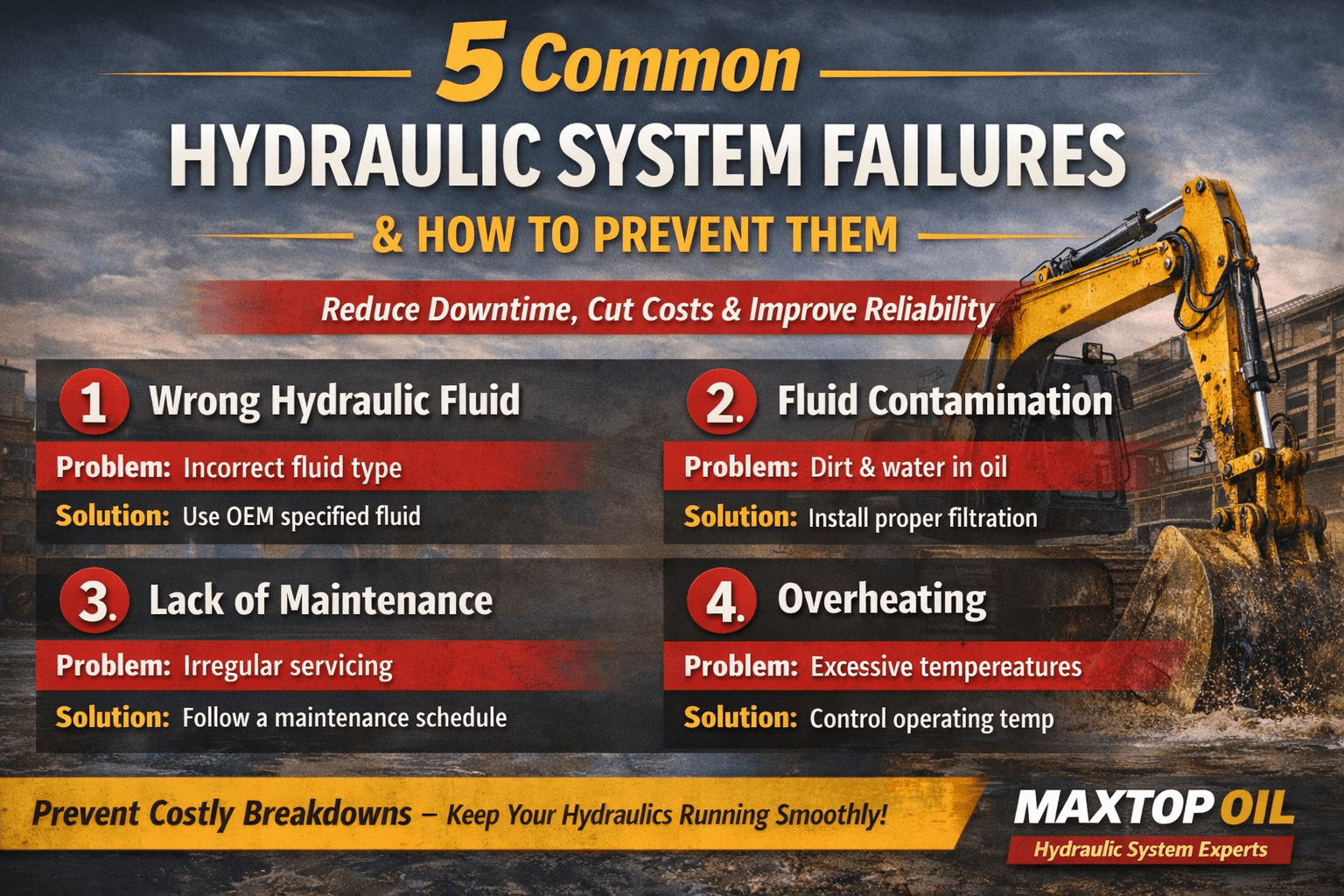
Hydraulic system failures can bring your entire production line to a halt. Unexpected downtime, costly repairs, and lost productivity – these are the nightmares that keep maintenance managers awake at night. But what if most of these failures could be prevented? In this comprehensive guide, we reveal the five most common hydraulic system mistakes and provide actionable solutions to keep your equipment running smoothly.
Understanding Hydraulic System Failures
Hydraulic systems are the backbone of modern industrial machinery. From construction equipment to manufacturing plants, these systems power everything that requires precise, powerful motion. Yet, according to industry research, over 80% of hydraulic system failures are preventable through proper maintenance and operation practices.
1. Using the Wrong Hydraulic Fluid
One of the most critical mistakes is selecting the wrong hydraulic fluid. Your hydraulic fluid is the lifeblood of the system – it transmits power, lubricates moving parts, and dissipates heat.
Common Problems
- Viscosity too high: Causes poor circulation and overheating
- Viscosity too low: Results in inadequate lubrication and increased wear
- Wrong additive package: Leads to accelerated oxidation and corrosion
The Solution
- Always consult OEM specifications for viscosity requirements
- Consider operating temperature range when selecting ISO VG grade
- Match the additive package to your application requirements
ISO Viscosity Grade Selection Guide
| Application | Typical ISO VG | Temperature Range |
|---|---|---|
| Light duty systems | 32 | -10°C to 40°C |
| General industrial | 46 | 0°C to 50°C |
| Heavy duty / high pressure | 68 | 10°C to 60°C |
| Extreme conditions | 100+ | Above 60°C |
2. Ignoring Fluid Contamination
Contamination is the number one cause of hydraulic system failures. Studies show that over 75% of hydraulic problems stem from contaminated fluid.
Types of Contamination
- Particles: Dirt, metal debris, and wear particles
- Water: Causes oxidation and rust
- Air: Leads to cavitation and foaming
- Heat: Accelerates oil degradation
Prevention Strategies
- Implement proper filtration with appropriate micron ratings
- Store lubricants in clean, covered areas
- Use breathers and seals properly
- Regular oil analysis to monitor contamination levels
3. Neglecting Regular Maintenance
Prevention is always cheaper than repair. Regular maintenance can extend hydraulic component life by 200-300%.
Maintenance Checklist
- Daily: Check fluid levels and look for leaks
- Weekly: Inspect filters and breathers
- Monthly: Test oil condition and check system pressure
- Quarterly: Complete oil analysis and filter changes
- Annually: Full system inspection and fluid change
4. Improper Operating Temperature
Temperature affects everything in your hydraulic system. Operating outside the optimal temperature range dramatically reduces component life.
Temperature Guidelines
- Optimal range: 40°C to 55°C (104°F to 131°F)
- Below 30°C: Fluid becomes too viscous
- Above 65°C: Oil degrades 10x faster
- Above 80°C: Severe damage risk increases dramatically
5. Overlooking Air in the System
Air in hydraulic fluid causes numerous problems, from noisy operation to complete system failure.
Signs of Air Entrapment
- Foamy or milky-looking fluid
- Erratic or spongy actuator response
- Unusual noise during operation
- Increased component wear
Solutions
- Bleed air from the system after maintenance
- Check suction lines for leaks
- Ensure pump is properly primed
- Replace worn seals promptly
Case Study: How One Plant Saved $120,000 Annually
A major manufacturing facility implemented a comprehensive hydraulic maintenance program. By addressing these five common mistakes, they achieved:
- 70% reduction in unplanned downtime
- 40% increase in component lifespan
- $120,000 annual savings in maintenance costs
- 25% reduction in hydraulic fluid consumption
Best Practices Summary
- Select the correct hydraulic fluid based on OEM specifications and operating conditions
- Implement a robust contamination control program
- Follow a preventive maintenance schedule
- Monitor and control operating temperatures
- Eliminate air from the system promptly
FAQ
How often should I change hydraulic fluid?
It depends on the application and operating conditions. Generally, change fluid every 2,000-4,000 hours or annually, whichever comes first. However, regular oil analysis is the best way to determine the optimal change interval.
What is the best viscosity for hydraulic systems?
Most systems operate well with ISO VG 32-68. The exact choice depends on your operating temperature range and system design. Always start with OEM recommendations.
Can I mix different hydraulic oils?
Generally not recommended. Mixing different brands or types can cause chemical reactions that reduce performance. If you must change fluids, consult the manufacturer and consider a complete system flush.
How do I know if my hydraulic fluid is contaminated?
Look for changes in color, smell, or consistency. Regular oil analysis is the most reliable method. Key tests include particle count, water content, and acid number.
What causes hydraulic fluid to overheat?
Common causes include: excessive workload, low fluid level, dirty heat exchangers, faulty cooling system, or using the wrong viscosity oil.
The Maxtop Difference
At Maxtop Oil, we understand that hydraulic system reliability is critical to your operations. Our team of technical experts can help you:
- Select the right hydraulic fluid for your application
- Develop a customized maintenance program
- Implement contamination control strategies
- Conduct regular oil analysis and system audits
We offer a comprehensive range of industrial hydraulic oils designed to meet the most demanding applications. Our technical support team is ready to help you optimize your hydraulic system performance.

